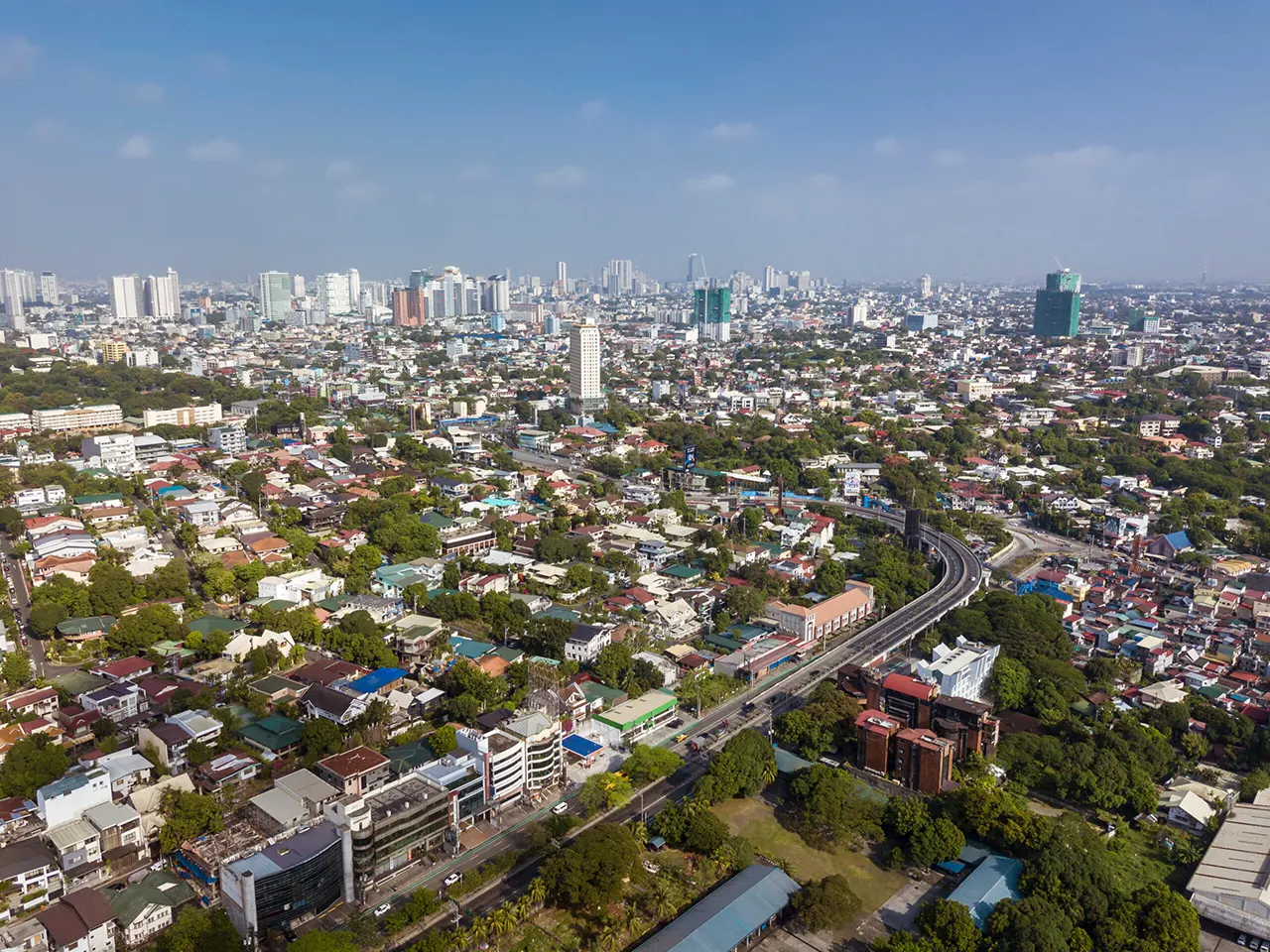
The stretch between Cavite and Metro Manila bustles with constant movement. People typically travel this route for various reasons, but mainly to head to work or school, or to meet up with family and friends.
Among the many destinations in Metro Manila, Cubao stands out as a popular meeting point. Travelers explore its numerous shopping centers, unique retail finds, diverse dining and entertainment options, or simply utilize its extensive transport network.
Whether you’re heading from Cavite to Cubao or making the return trip, knowing your main transport options can make the journey much smoother. This guide breaks down the most convenient and efficient ways to travel between the two areas.
Starting Your Trip: Key Departure Points in Cavite
Your journey from Cavite to Cubao begins by identifying the most convenient departure point within the province. Cavite is a large area, and your starting city will largely dictate your initial transport options and typical route.
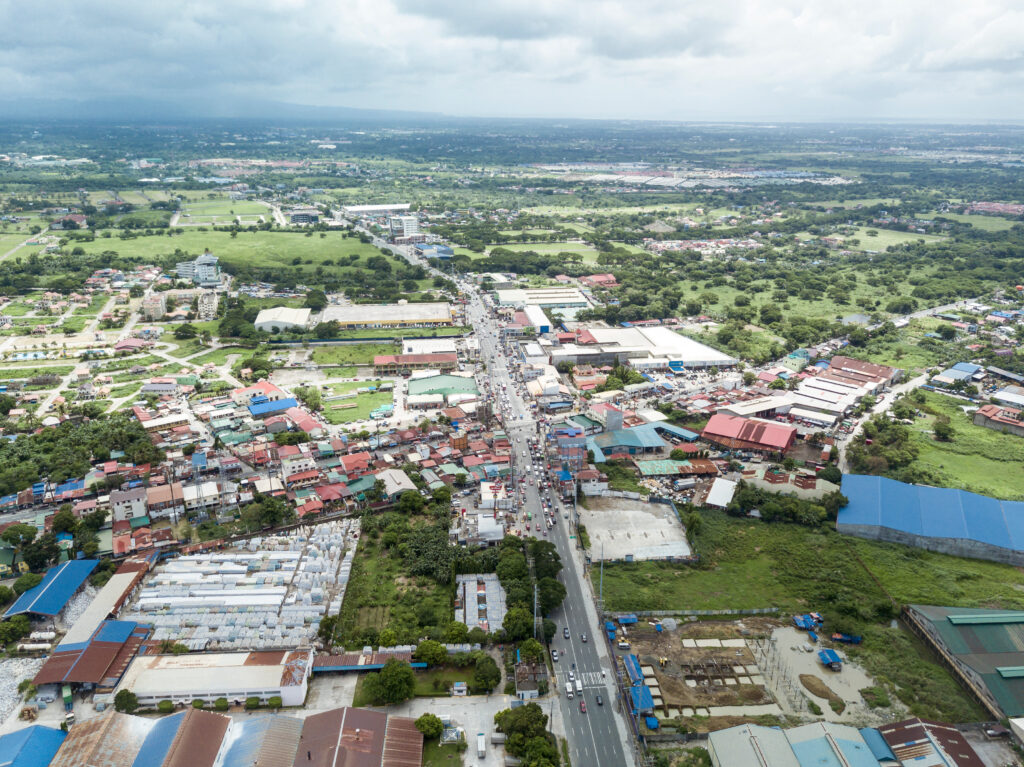
- Dasmariñas – This serves as a central hub for many in Cavite. Buses and UV Express vans frequently depart from Dasmariñas, offering direct routes to Cubao. It’s a strategic starting point if you’re coming from the middle of Cavite or nearby towns.
- Bacoor – Positioned closest to Metro Manila, Bacoor provides direct links to CAVITEX. Travelers will find numerous buses and UVs regularly passing through key areas such as SM Bacoor, Molino Blvd., or Talaba, all heading towards Cubao.
- Imus – Another busy area, Imus is a common boarding point for UVs and buses bound for Cubao. Routes often mirror those from Bacoor. Expect more traffic in this area, especially during peak hours.
- General Trias – Located farther south in Cavite, General Trias remains well-connected. Routes from this area typically pass through Dasmariñas and Imus before proceeding to Cubao. Be prepared for a generally longer ride compared to starting from towns closer to Metro Manila.
- Other Areas – For those in towns like Trece Martires, Kawit, or Rosario, your trip will likely begin with a short ride on a jeepney or tricycle. These local transports connect you to the major bus or UV Express hubs in nearby Dasmariñas or Bacoor, where you can then board your ride to Cubao.
Your Transportation Options From Cavite to Cubao and Vice Versa
Traveling from Cavite to Cubao offers various transportation choices, each with its own advantages regarding speed, comfort, and directness.
Key terminals and boarding locations
Your public transport journey often begins or ends at major terminals. In Cavite, many buses and UV Express vans pick up passengers from specific points within cities such as Bacoor, Imus, and Dasmariñas.
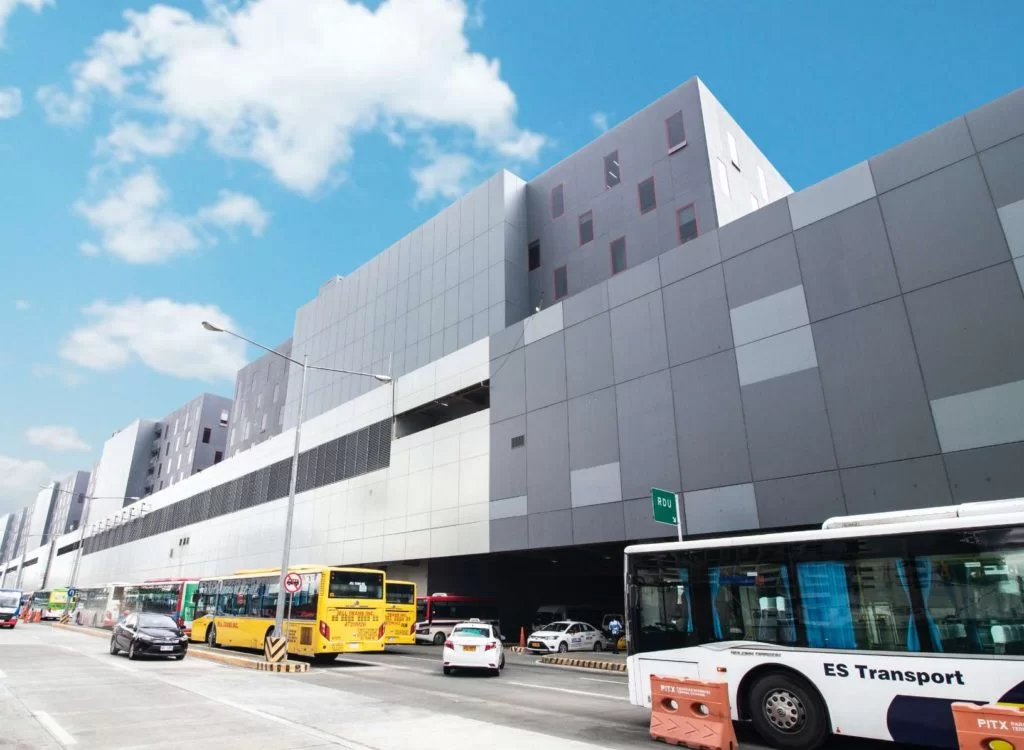
- PITX (Parañaque Integrated Terminal Exchange): PITX serves as a modern transfer hub where buses and UV Express vans from various towns in Cavite stop. From PITX, you can easily find onward connections directly to Cubao. It simplifies multi-leg journeys, especially for travelers coming from deeper within Cavite.
- Local Loading Spots in Cavite: Beyond the main terminals, numerous convenient pickup points are available. Look for buses or UVs at popular malls like SM Bacoor or SM Dasmariñas, as well as various provincial terminals within each town.
Cubao to Cavite Bus Terminals: In Cubao, key terminals serve as primary points for disembarking and boarding trips back to Cavite. These include the Araneta Center Bus Terminal and the Ali Mall UV Terminal. Both are strategically located, offering convenient access to other Metro Manila transport networks.
Cavite to Cubao bus routes
- Major operators include JAM Liner, San Agustin, Bicol Isarog, DLTB, and Metrolink. These services connect various parts of Cavite to Cubao.
- Fares typically range from P70 to P120, depending on your precise origin point in Cavite.
- Travel time usually falls between 1.5 to 3 hours. This duration varies significantly based on traffic conditions and your specific departure city.
- Buses from areas like General Trias or Dasmariñas commonly utilize Aguinaldo Highway, CAVITEX, or SLEX. Some routes lead directly to Cubao, while others might extend to Ortigas or Quezon City.

UV Express services
- UV Express vans serve as a popular direct point-to-point (P2P) service for a Cavite to Cubao commute. These operate from key Cavite locations, such as SM Bacoor, Dasma Bayan, or The District Imus, and terminate at Cubao terminals, including Ali Mall or Farmer’s Plaza.
- UVs are known for having fewer stops than buses and can offer a quicker journey, though prepare for potentially long queues during peak hours.
- Major operators include NAFAODAP Transport and various local service providers.
- Fares generally range from P70 to P100.
- Expect travel times of about 1.5 to 2 hours, influenced by traffic and your starting point.
Other transport modes
Completing your journey often involves short local rides before or after your main bus or UV Express trip.
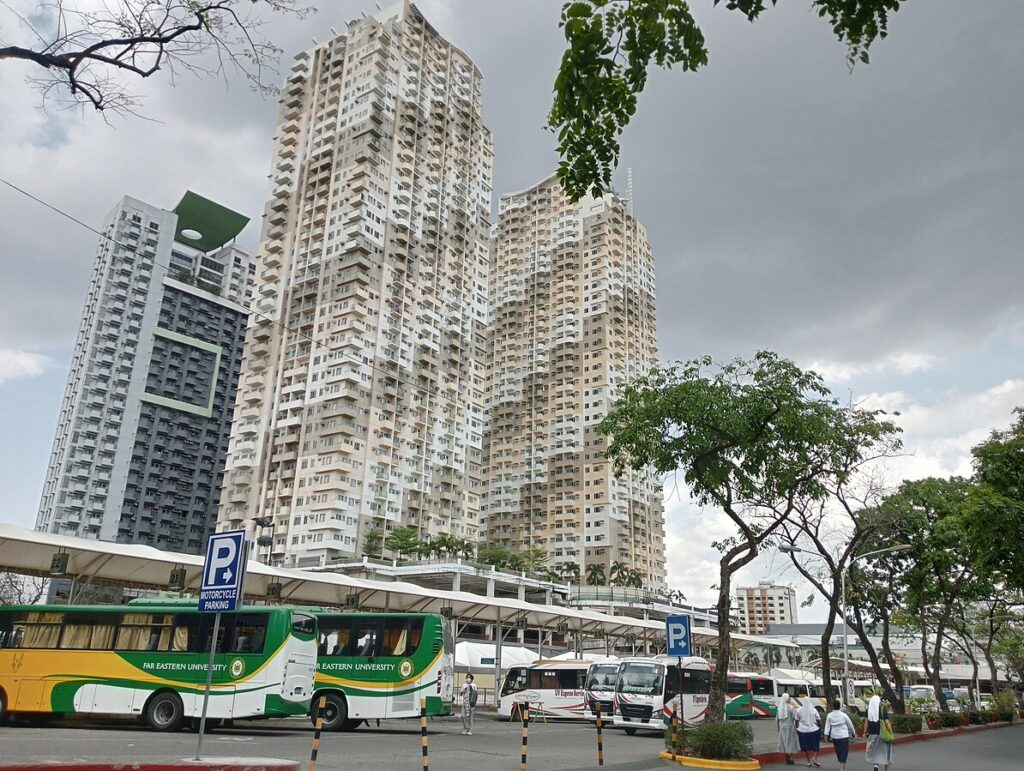
- Within Cavite: Local jeepneys and tricycles are widely used for short-distance travel. They connect you from your home or local area to the nearest major bus or UV Express stops for your trip to Cubao.
- Within Cubao: Once you arrive, short jeepney rides can bridge the distance between Cubao bus or UV terminals and MRT/LRT stations, or the EDSA Carousel for convenient local transfers.
- Fare and Travel Time: These local rides typically cost P10 to P15. Travel time ranges from 10 to 30 minutes, depending on the distance and local traffic.
Cubao to Cavite commute
For the return trip, expect a similar range of transportation options and fare structures as the trip to Cubao. It’s advisable to check specific loading bays and be aware of varying operating hours at Cubao terminals, especially for late-night travel, to ensure a smooth return to Cavite.
Traveling by car
Driving offers a direct and flexible way to travel between Cavite and Cubao. The journey largely depends on your starting point in Cavite and the current traffic conditions, with a network of expressways making the trip more manageable.
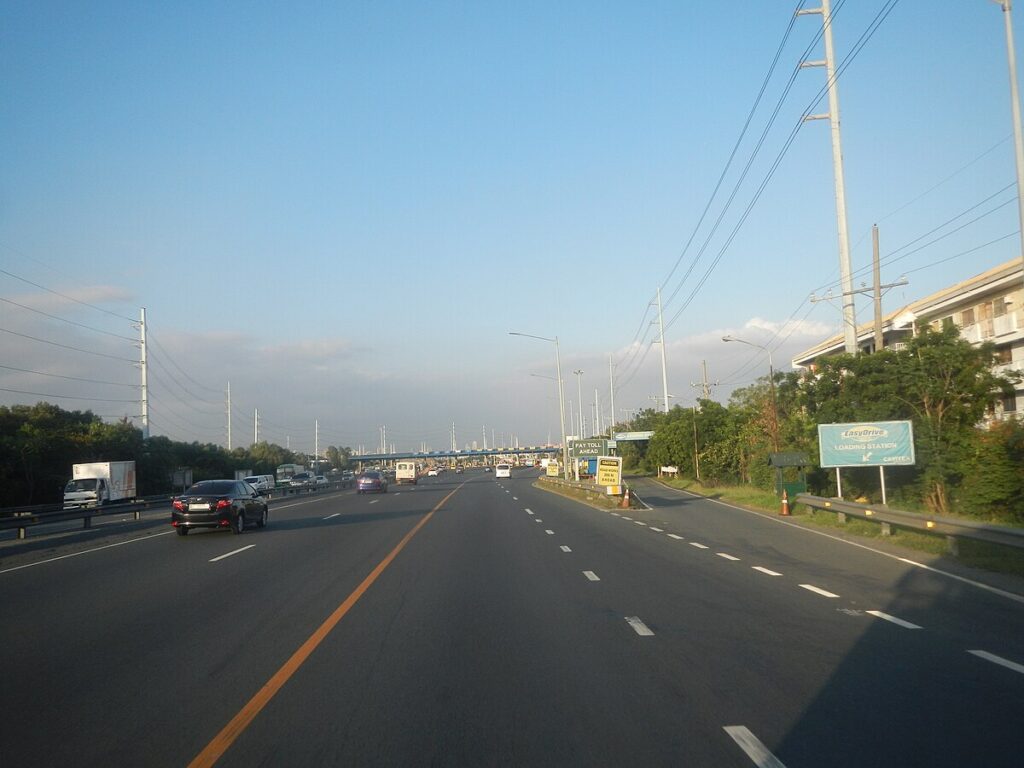
Driving routes from Cavite to Cubao
Your route choice will typically depend on your specific location within Cavite:
- Via CAVITEX (for Bacoor or Imus): If you are coming from coastal areas like Bacoor or Imus, the most common route is to take CAVITEX. From there, you will connect to Roxas Boulevard, which leads to EDSA, and then proceed directly to Cubao. Remember to ensure your RFID account is sufficiently loaded for seamless toll payments on CAVITEX and other expressways you might encounter.
- Via Aguinaldo Highway to SLEX (for Dasmariñas or General Trias): For travelers starting from central or eastern Cavite, such as Dasmariñas or General Trias, the route often involves Aguinaldo Highway connecting to Coastal Road or SLEX. From SLEX, you will then merge onto EDSA to reach Cubao. Coastal Road and SLEX are toll roads, so a loaded RFID is essential for uninterrupted travel.
Via Daang Hari to SLEX (for Imus or Molino): An excellent alternative route if you are in the Imus or Molino area is to use Daang Hari. This road provides access to MCX (Muntinlupa-Cavite Expressway), which then connects to SLEX and subsequently to EDSA or C5 for your trip to Cubao. MCX and SLEX both require toll payments.
Driving Routes from Cubao to Cavite
The return trip largely utilizes the same expressway network.
- Exiting Metro Manila: From Cubao, you can take either the EDSA or C5 exit, depending on current traffic conditions, for easier access to SLEX or Coastal Road, which lead back to Cavite.
- Navigating Traffic Hotspots: Be prepared for potential heavy traffic around the Nichols Interchange and EDSA-Kamuning area. Using alternate routes like Arnaiz Avenue or Osmeña Highway can help bypass severe congestion, especially during peak hours.
Smooth Journeys Between Cavite and Cubao: 5 Smart Travel Tips
Navigating travel between Cavite and Cubao can be made significantly smoother with thoughtful planning and some essential tips.

1. Strategize your travel times
To significantly cut down on travel duration, aim to leave Cavite by 6:00 AM. Weekday mornings from 6:30 AM to 9:30 AM often bring significant delays for trips heading towards Cubao.
For the return trip, depart before 4:00 PM or consider waiting until after 9:00 PM when roads typically begin to clear. Weekday evenings between 4:30 PM and 7:30 PM see heavy traffic, particularly on EDSA.
2. Utilize real-time navigation
Always check live traffic conditions before starting your trip. Apps like Waze or Google Maps provide up-to-the-minute updates, estimated arrival times, and suggested reroutes. This information is invaluable for both drivers avoiding bottlenecks and public transport users planning for potential delays.
3. Optimize your boarding process and payments
This can save you valuable time. For instance, UV Express lines often fill quickly during peak hours. Arriving at popular terminals like SM Bacoor or Dasma Bayan 30 to 45 minutes early can help secure a spot.
For payments, know your fares beforehand, prepare small denominations, and consider cashless options to expedite transactions in busy terminals. You can load your GCash or Maya accounts ahead of travel as many transport options now accept QR code payments. Meanwhile, Beep cards are useful for P2P transport options.
4. Prepare for your trip
Preparing for your trip involves packing essentials for comfort and managing your vehicle’s requirements (if driving). Traffic delays are common, so bring a small, foldable fan to stay cool, earphones for entertainment, and a power bank to keep your devices charged, ensuring a more comfortable and connected trip. For drivers, ensure your RFID accounts are sufficiently loaded; this prevents unnecessary stops and delays at toll plazas.
5. Stay updated on schedules and routes
Transportation schedules and routes, particularly for P2P buses, can sometimes change due to operational adjustments or road conditions. Before your trip, quickly check the official social media pages or websites of common bus and UV Express operators. This proactive step helps confirm schedules and any temporary route changes, preventing unexpected delays or confusion.
Smart Routes, Smarter Living
Navigating between Cavite and Cubao, especially for first-time travelers, isn’t always a walk in the park. But when you’re based in a community that’s built for accessibility and mobility, the journey gets easier. Riverpark, a 600-hectare multi-use masterplanned development in General Trias, Cavite, makes everyday travel smoother—whether you’re hopping on a bus or driving your car.
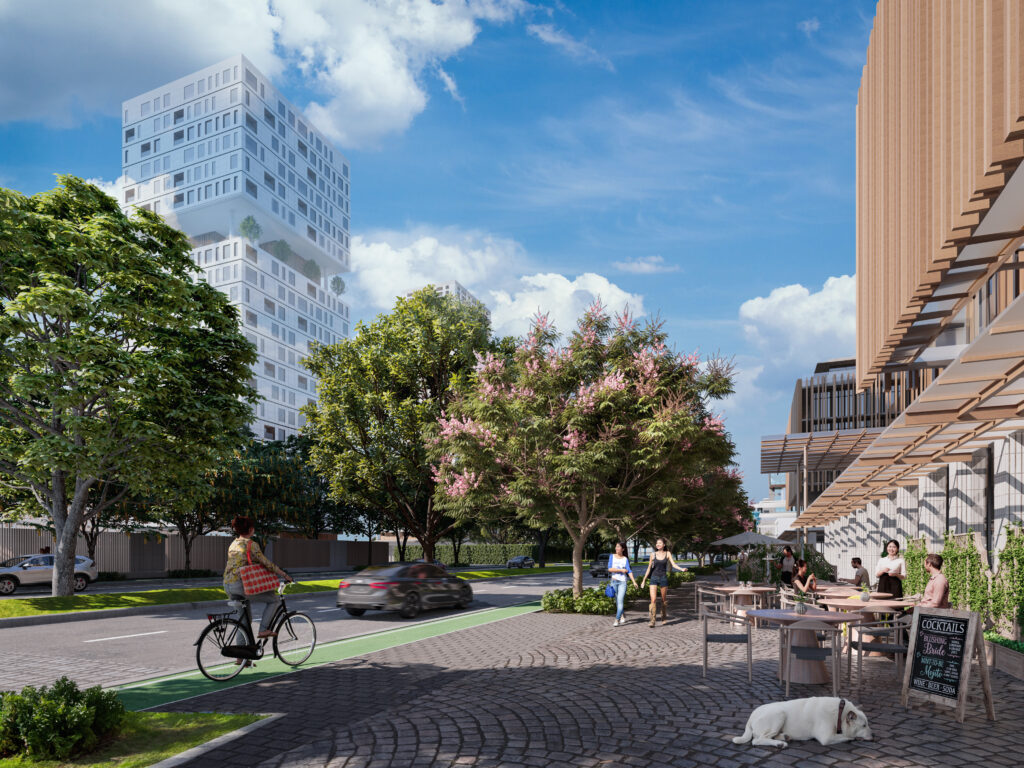
At the heart of this next-gen community lies Yume at Riverpark, a serene Japanese-inspired enclave where modern living meets mindful design. It’s the perfect home base for those who crave both connection and calm.
Ready to make the move? Explore or inquire about Riverpark today. Your future lifestyle starts here.