Discover why nature-filled neighborhoods are becoming the top choice for smart living and better health.
Key Takeaways
- Studies have shown that being in green spaces may reduce stress and help improve physical health.
- Properties inside master-planned communities with expansive parks and natural landscapes influence stronger demand and long-term value growth.
- Modern developments like Riverpark are redefining modern living by combining thoughtful design, technology, and large-scale green systems into one environment.
The benefits of green spaces are emerging as the new standard of modern living. From expansive parks to tree-lined corridors and riverside trails, communities that make room for nature are drawing in homeowners and investors who value comfort, balance, and a better daily experience.
In this article, we explore how green spaces improve everyday life and why nature-integrated developments are among the most resilient investments in today’s property market.
What Is a Green Space?
A green space refers to any urban area covered with vegetation.
In a modern development, green spaces might include:
- Public Parks and Gardens
- Natural or Man-made Waterways
- Green Roofs and Vertical Gardens
- Pocket Parks
- Tree-lined Pathways
What are the Advantages of Green Spaces?
Metro Manila has long been the center of business in the Philippines, with a growing population and vibrant economy shaping how the city grows. But with only around five square meters of green space per person—far below the World Health Organization’s recommended nine—the imbalance is clear. As density increases, breathing space decreases.
This is why a nature-inspired lifestyle is gaining serious attention. Beyond visual appeal, the benefits of urban green spaces are numerous, making nature a new must-have in any neighborhood.
Let’s look at the three ways nature adds value: physically, psychologically, socially, and financially.

1. Psychological and Physical Benefits
Spending time in natural environments has been linked to lower cortisol levels (cortisol being the hormone associated with stress). In one study, a simple walk through a forested area showed a 15.8% reduction in cortisol levels. The effect is subtle but powerful.
Several studies also looked into how spending time in nature affects physical health. After looking at combined data, researchers learned that nature-based interventions may have improved physical health outcomes in about 83% of the cases they studied. In other words, spending time in nature boosted physical health data in more than 8 out of every 10 studies they reviewed.
But perhaps the most overlooked benefit is mental sharpness. Exposure to greenery improves attention, memory, and creativity. It’s not surprising that global companies and universities invest heavily in the benefits of green spaces.
2. Social Benefits
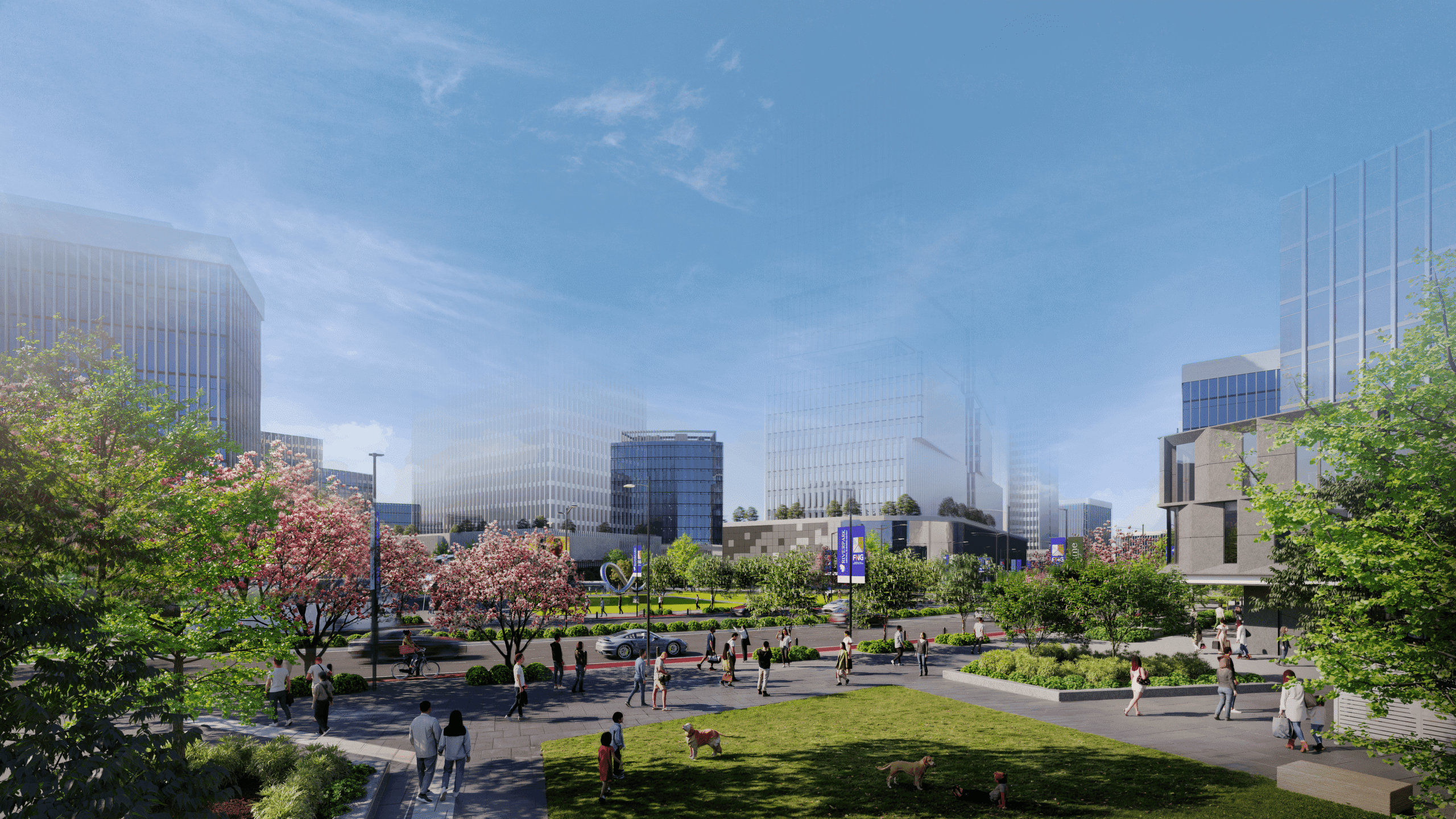
Parks, jogging trails, and open lawns are natural meeting points. Children can play here while their parents connect with other parents. Meanwhile, professionals can instantly unwind after work. These casual interactions build community trust and social unity. Over time, this strengthens neighborhood identity.
Beyond recreation, green environments can also educate. They remind residents of the importance of environmental mindfulness and conservation. In an age of landfill accumulation and climate change awareness, this cultural shift matters.

3. Economic Benefits
Properties near well-maintained parks and green corridors influence premium pricing. Buyers are willing to pay more for proximity to nature because they understand the benefits of green spaces in daily life. This demand supports higher resale values and rental stability.
On a larger scale, developments that preserve rivers, integrate parks, and invest in landscaping enhance a city’s image. A greener environment signals long-term thinking as the development prioritizes climate resilience and wants to protect the property’s value in the long run. This perception can attract foreign investors and even tourists.
There are also practical savings. Green landscapes reduce urban heat and can absorb rainwater, reducing flood risk. These natural systems lower infrastructure strain and maintenance costs over time.
How to Spot a True Green Development
If you’re thinking of investing in properties with green spaces, how can you tell if a place truly offers lasting value?
While standalone properties may offer private gardens, master-planned estates operate on a larger scale. These communities are designed with open spaces at their core, bringing together homes, shops, and natural areas in one place. Everything feels more connected, so you can live, work, and relax within a well-planned environment.
When exploring your options, consider three things:
- Credibility: Choose developers with a strong track record in building and maintaining large communities. A well-managed estate helps keep your property’s value steady over time.
- Sustainability and Innovation: True green luxury goes beyond lawns. Look for walkable trails, sports areas, and preserved waterways that residents can actively use.
- Connectivity: The strongest projects combine nature with easy access to major highways and business districts.
Green Spaces: The Future of Community Living
Green spaces are more than just nice-to-haves. They’re a smart response to today’s busy city life. As urban areas grow more crowded, people are looking for places that protect their health and give their investments a boost.
Developments that blend with nature can do both.
They reduce stress, strengthen communities, and support property value over time. They create a lifestyle that feels expansive rather than restrictive.
If you’re looking to elevate both your lifestyle and your portfolio, explore the sustainable, high-value properties at Riverpark. Secure your place in the South’s emerging Next Gen City and experience the benefits of living in an urban green space.
Introducing Riverpark: The Next-Gen City of the South
If you want to see the advantages of green spaces in action, look no further than Riverpark by Federal Land.
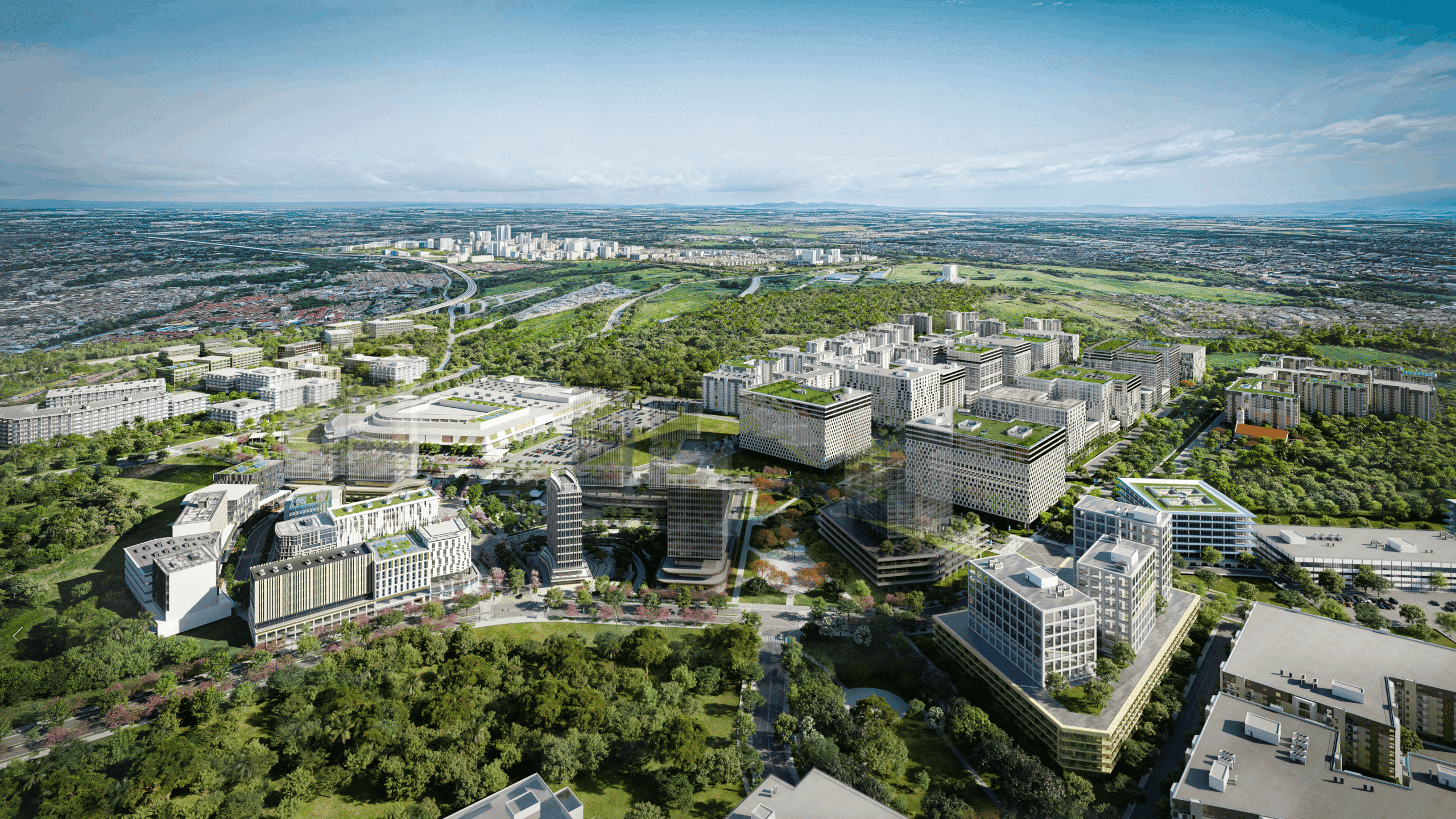
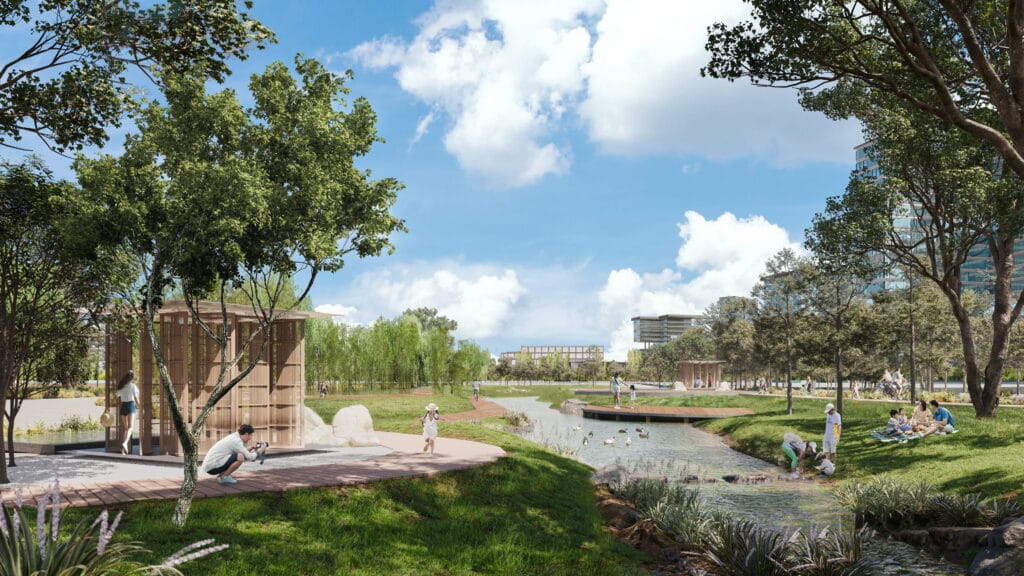
Spanning 600 hectares, this master-planned township is designed as a city nestled within nature. At its heart is a 70-hectare park system complete with walking trails and preserved river corridors—that’s nearly 12% of the entire land area dedicated purely to breathing room with nature.
Riverpark also stands out for its thoughtful planning and respect for the land it’s built on. Open green spaces are at the heart of the community, creating a refreshing environment where nature is preserved, not replaced. It’s a place where families can grow, businesses can thrive, and property value can build steadily over time.
Within this expansive township is Yume at Riverpark, a residential development built with Japanese-inspired designs. Here, modern living is balanced with quiet moments, creating space not just to reside, but to truly thrive.
Frequently Asked Questions
What is the definition of a green space?
A green space refers to urban land covered by plants and trees. These spaces can be designed for recreation, conservation, or environmental support. It’s land meant for people, rather than for cars or buildings.
What is an example of a green space?
Beyond the classic public park, examples include community gardens, protected riverbanks, green walkways that wrap around neighborhoods, and pocket parks.
What are the benefits of green spaces?
The benefits of green spaces are numerous. They can improve public health, encourage social connection, and even increase long-term property value.