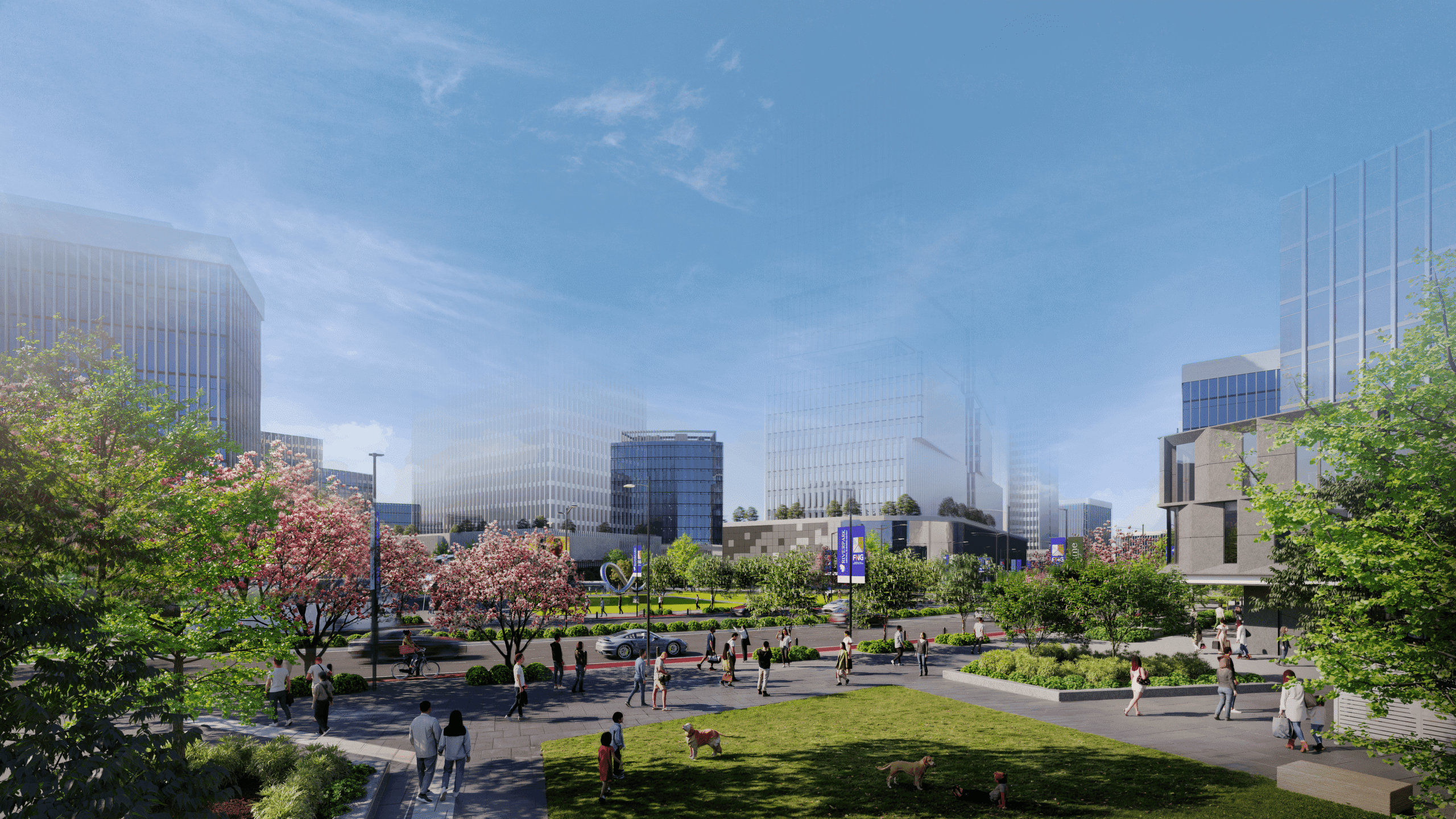
By 2050, close to 102 million Filipinos are projected to live in cities—nearly double today’s number. As urban populations grow, the need for homes, roads, utilities, and public services will only increase.
But your home should be more than a place to sleep. It should be a sanctuary that reflects your hard work and a strategic asset that grows in value.
Smart Cities in the Philippines: Solving Overcrowded Hubs with Visionary Estates
There was a time when a prime location was enough to define a strong real estate investment. Today, the cities shaping the future should also be intentionally designed to anticipate growth, integrate technology, and elevate everyday living. In fact, well-implemented smart city systems are related to quality-of-life improvements in safety, travel time, and health by 10% to 30%.
As urban centers expand and infrastructure becomes more complex, forward-looking investors are turning their attention to smart cities in the Philippines. Ultimately, living in a smart city means being part of an environment engineered for efficiency and long-term appreciation. To understand why these developments are redefining urban investment, we must first examine the advantages that set them apart.
4 Benefits of Living in a Smart City
When people hear “smart living,” they might think of gadgets and screens. But true smart development goes deeper. It’s about solving real urban problems in practical ways.
1. Reclaimed Time with Seamless Mobility
Metro Manila congestion drains productivity and personal time. For business leaders and entrepreneurs, time lost on the road is money lost.
Smart developments can address this in two ways. First, through strategic traffic systems such as integrated road planning and layouts that reduce bottlenecks before they happen.
Second, through strategic positioning. In the South, connections to major express ways such as CALAX and CAVITEX provide smoother access to neighboring districts and commercial hubs. With smart city living, you spend less time in a car and more time where it matters.
2. Enhanced Safety Through Smart Design
In a traditional neighborhood, security might look like high walls and barbed wire. In a forward-thinking smart city, security incorporates technology that works quietly in the background.
For example, smart design plays a big role. Well-connected pathways and managed access points let residents move around confidently at any time. Living in a familiar, well-planned community gives that extra sense of security. You’re at home, surrounded by a neighborhood that’s designed to keep you safe, without needing to step far from your own space.
3. Sustainable Living as Part of the Ecosystem
Another benefit of living in a smart city is being part of a community designed to last. Sustainability isn’t just one feature but a complete ecosystem that feels more connected, efficient, and practical for everyday life.
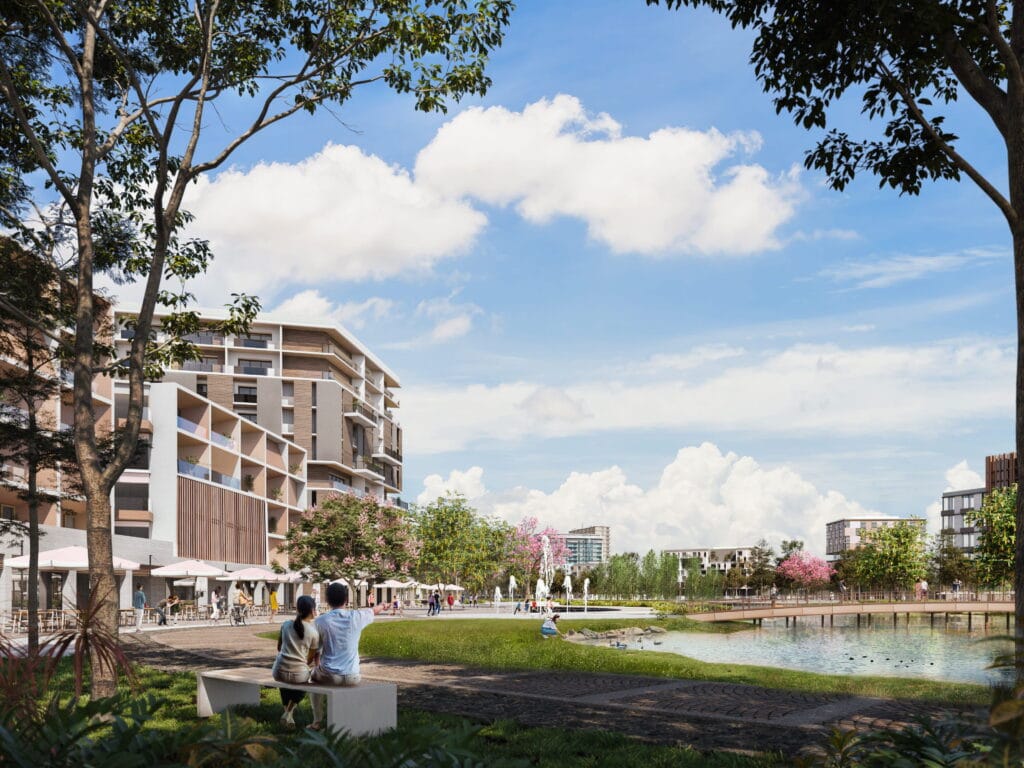
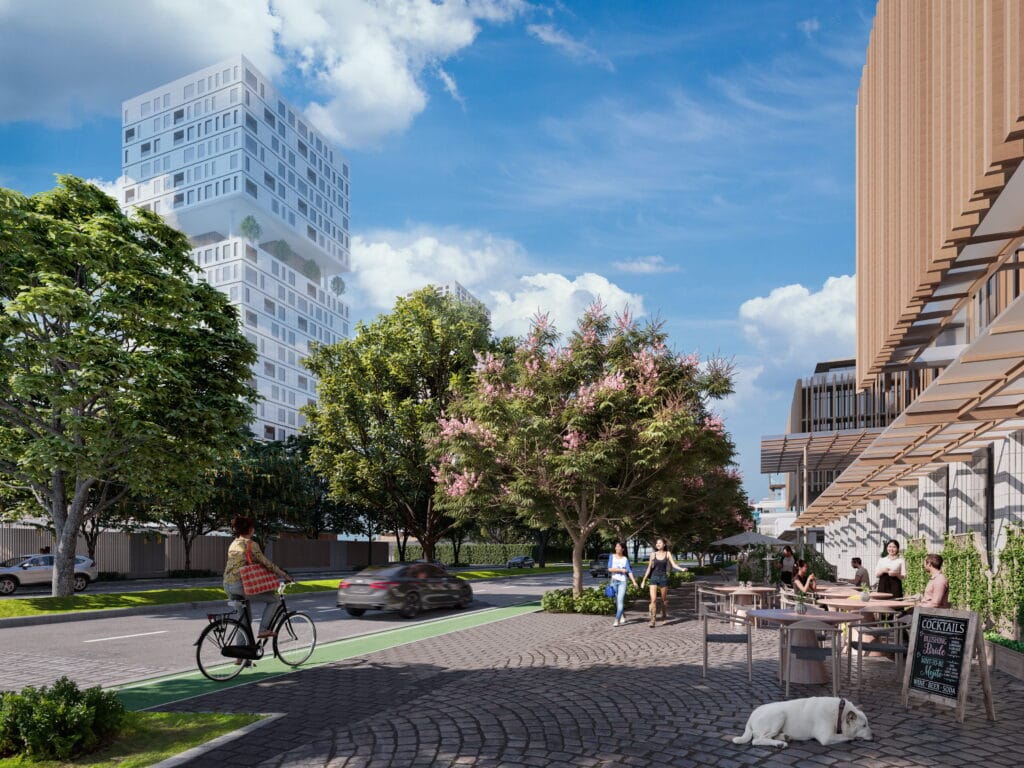
At Riverpark by Federal Land, this vision comes to life through spaces that work together as one ecosystem. Homes, open spaces, and everyday essentials are strategically placed together, making it easier to walk or bike for short trips around the community. This means less time spent driving, lower fuel consumption, and cleaner air for residents to enjoy.
Even small details contribute to this experience. Riverpark’s underground cables keep streets clear and safe, helping the estate stay efficient and organized for years to come.

4. Wellness-Centric Urban Design and Community Connection
Finally, a smart city understands that people need spaces where they can slow down, recharge, and enjoy everyday life. Smart city living means designing communities with wellness in mind, from the layout of the streets to the open spaces shared by residents.
When a community is built with expansive green corridors and pedestrian-friendly paths, it naturally encourages connection. You get to meet neighbors during walks, enjoy outdoor activities, and experience a more active lifestyle close to home. These spaces help support healthier routines while creating stronger community ties.
At Riverpark, this vision comes to life through over 70 hectares of dedicated parks and open spaces. Residents can enjoy a central park with entertainment and picnic areas, bike trails, a bamboo forest, a tree nursery, and even adventure and sports facilities designed for all ages. Together, these spaces create a community where wellness becomes part of everyday living.
Experience Future-Ready Living at Riverpark
Outdated urban models were built for a different era, when populations were smaller, and infrastructure demands were lighter. Today, smart city living blends efficiency, sustainability, and prestige into one community.
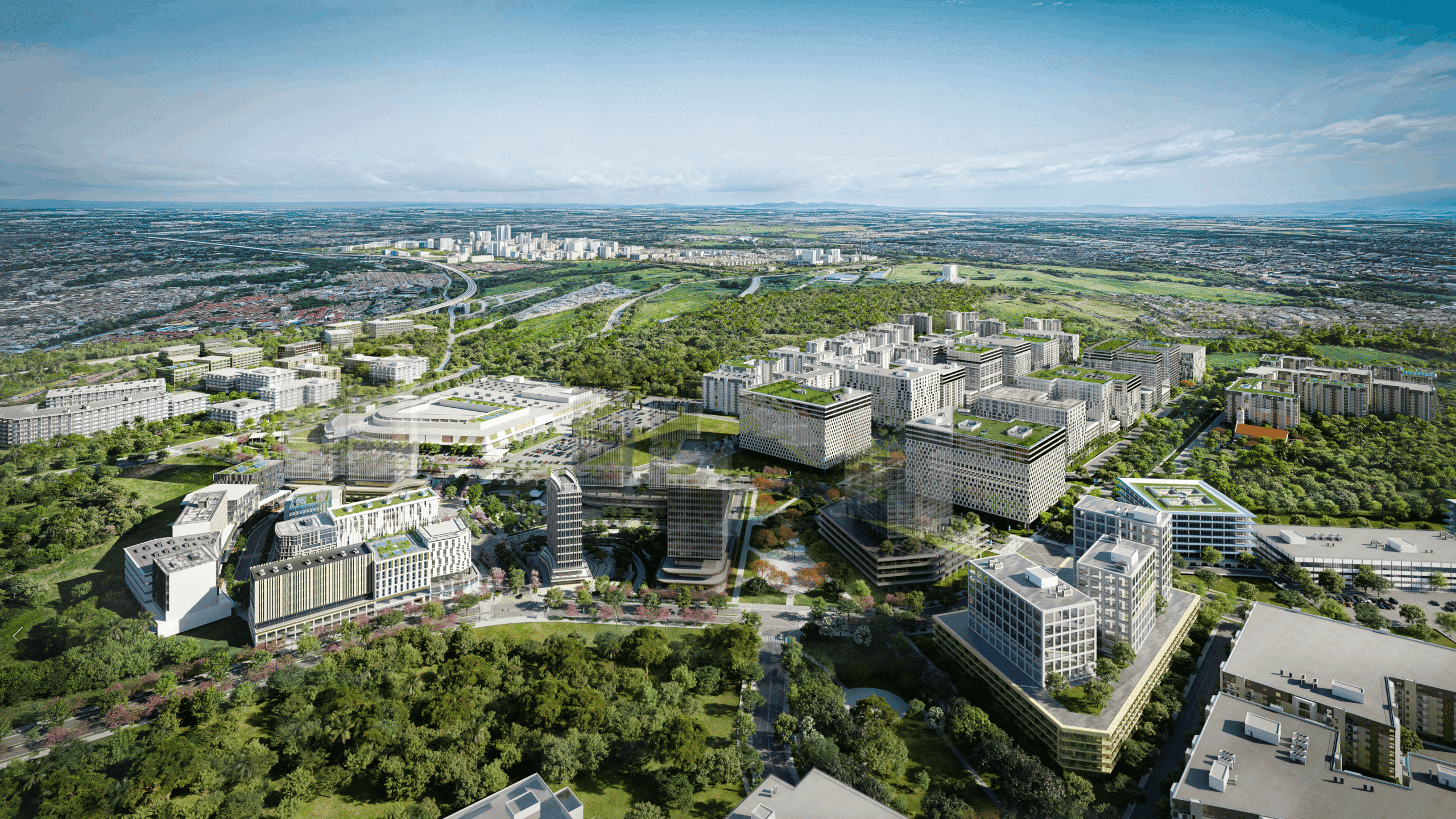
In the Philippines, this vision is taking shape in Riverpark by Federal Land. Spanning 600 hectares in General Trias, Cavite, Riverpark is a multi-use, master-planned community in the Philippines built around balance and long-term value.
Every district at Riverpark has a clear role that works seamlessly with the others to create a complete ecosystem. Riverpark Gateway is the daily essentials hub, bringing together curated retail, dining, and essential services in one accessible destination. Riverpark North is where well-planned neighborhoods are positioned with key destinations nearby to support your growing family. Finally, Riverpark South serves as the central business district, offering innovative workplaces designed for businesses and professionals who value connectivity and growth.Together, these districts form The Next Gen City of the South that promotes a better way of life.
Learn more about Riverpark’s smart city and discover how your future can take shape in a smarter, more connected township.